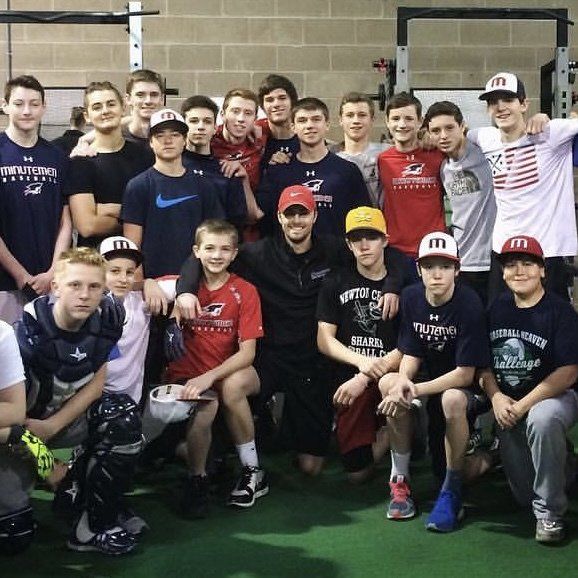

DEVELOP THE ATHLETE. ELEVATE THE PLAYER.
Player development is the systematic process of improving an athlete's physical capabilities, technical skills, competitive performance, and long-term potential. At Goodridge Strength & Conditioning, we believe that developing an athlete requires more than increasing strength, improving speed, or completing a training program. True player development requires a comprehensive understanding of the individual athlete and the physical, technical, and competitive demands of their sport.
Every athlete brings a unique combination of physical abilities, movement characteristics, technical skills, experience, and competitive demands. Effective player development recognizes these differences and establishes an individualized strategy for improvement. Our approach integrates strength and conditioning, speed development, sport-specific skill, movement efficiency, performance science, and player care into a comprehensive model designed to enhance performance where it matters most: competition.
The objective is not simply to build better athletes. The objective is to develop better players.
PERFORMANCE IS THE OBJECTIVE
THE WEIGHT ROOM IS A TOOL. SPORT PERFORMANCE IS THE OBJECTIVE.
An athlete can become stronger without becoming a better player. An athlete can become faster without becoming more effective in competition. An athlete can improve testing numbers without demonstrating meaningful improvement in sport-specific performance. Physical development creates opportunities, but technical execution, decision-making, coordination, and competitive application ultimately determine how those capabilities translate to the game.
Our philosophy emphasizes bridging the gap between physical preparation and athletic performance. Strength, speed, power, and movement efficiency must be developed with an understanding of how athletes apply these qualities within the demands of their sport. The goal is to improve not only what an athlete is physically capable of doing, but also their ability to execute those capabilities effectively during competition.
Development is measured by what the athlete can do, not simply what the athlete can lift.


INDIVIDUALIZED PLAYER DEVELOPMENT
EVERY ATHLETE IS DIFFERENT. EVERY DEVELOPMENT PLAN SHOULD REFLECT THAT.
There is no universal training program capable of addressing every athlete's individual needs. Effective player development must account for differences in physical development, movement proficiency, injury history, training experience, positional responsibilities, and competitive demands. Understanding these variables allows coaches to identify meaningful opportunities for improvement and establish development priorities that support the athlete's long-term progression.
A successful development strategy begins with evaluating the athlete's strengths, limitations, movement characteristics, and sport-specific requirements. From there, individualized training interventions can be implemented to address physical deficiencies, improve technical execution, and enhance competitive performance. As athletes adapt and develop, their training strategies must continue to evolve through ongoing evaluation, communication, and adjustment.
The objective is to identify what the athlete needs, not simply prescribe what the coach knows.
STRENGTH. SPEED. SKILL. PERFORMANCE.
Comprehensive player development requires the integration of multiple physical and technical qualities. Strength and power development establish the foundation for producing, absorbing, and transferring force during athletic movement. Speed and agility training improve acceleration, maximum velocity, deceleration, multidirectional movement, and the ability to execute rapid changes of direction. These physical qualities are essential to athletic performance, but their effectiveness depends on how they are applied within the demands of competition.
Sport-specific skill development bridges the gap between physical capabilities and technical execution. Footwork, body positioning, coordination, timing, spatial awareness, and movement proficiency influence an athlete's ability to perform efficiently and effectively. Developing these skills requires progressive exposure to increasingly complex movement patterns and competitive situations that reflect the demands of the sport.
Movement efficiency and physical preparation must also support an athlete's ability to tolerate the repeated demands of training and competition. Effective development strategies improve the athlete's capacity to coordinate movement, control body position, manage forces, and sustain performance under increasing levels of intensity and fatigue. Ultimately, strength, speed, skill, and movement proficiency must work together to produce athletes who are not only physically prepared but capable of executing at a high level when it matters most.

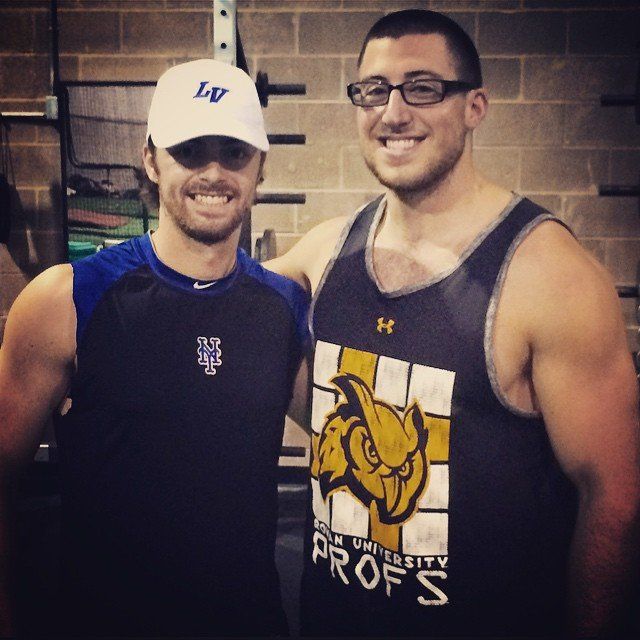
Seeing my son work out with Malcolm has been an incredible experience. From the very first session, it was clear that Malcolm genuinely cares about helping athletes become the best version of themselves. He doesn’t just focus on making them stronger or faster—he builds discipline, confidence, and a mindset that will benefit them both on and off the field. I’ve watched my son grow physically and mentally through Malcolm’s training. He looks forward to every workout because he’s constantly challenged and encouraged to push beyond what he thought was possible. The energy, passion, and commitment Malcolm brings every day are unmatched, and it shows in the progress his athletes make. As a parent, there’s nothing more reassuring than knowing your child is being coached by someone who truly believes in them and holds them to a high standard. I couldn’t recommend Goodridge Strength & Conditioning enough. If you’re looking for someone who will invest in your child’s success and truly help them reach their full potential, Malcolm is the coach you want.
- Quindi Mozone, South Carolina Gamecocks Football Mom